
Introduction
The Overlooked Cornerstone of Flawless Makeup
A radiant complexion and seamless blend often begin with tools, not just the makeup itself. Clean brushes serve as the invisible ally of artistry, ensuring pigments glide with precision and elegance.
Why Brush Hygiene Matters More Than You Think
While brushes may look harmless, they silently accumulate residues, oils, and microscopic organisms. Neglecting hygiene transforms them into breeding grounds that undermine both beauty and health Makeup Brush Cleaner .
Understanding Makeup Brush Contamination
The Hidden Bacteria Colonies
Every bristle harbors remnants of foundation, powder, and sebum. Over time, these create fertile environments for bacterial colonies invisible to the naked eye.
Skin Problems Triggered by Dirty Brushes
From sudden breakouts to persistent dullness, contaminated brushes can exacerbate acne, trigger irritation, and accelerate premature aging. Clean tools are not a luxury—they are a necessity.

What is a Makeup Brush Cleaner?
Definition and Purpose
A makeup brush cleaner is a specialized solution or device designed to remove product build-up, sanitize bristles, and maintain brush integrity.
Different Forms Available
They arrive in multiple guises—liquids, solids, sprays, and even motorized gadgets—each tailored to a unique need and lifestyle.
Types of Makeup Brush Cleaners
Liquid Brush Cleansers
Liquids penetrate deep into bristles, dissolving heavy layers of foundation and cream products.
Solid Cleansing Balms
Compact and travel-friendly, these balms lather with water to sweep away residues with remarkable gentleness.
Spray-On Quick Cleaners
Perfect for mid-week touch-ups, sprays refresh brushes without requiring a full wash.
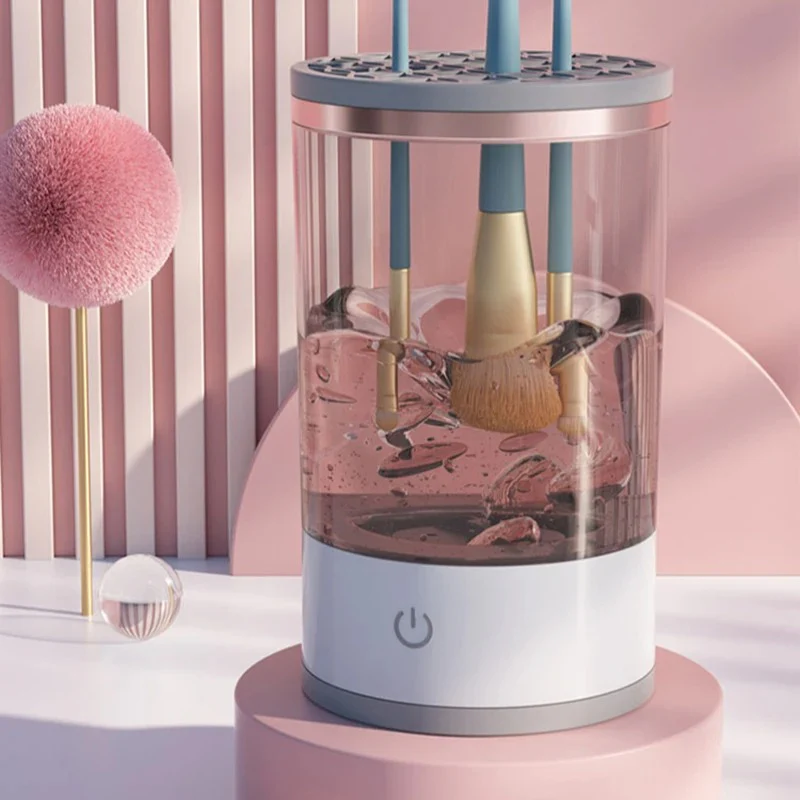
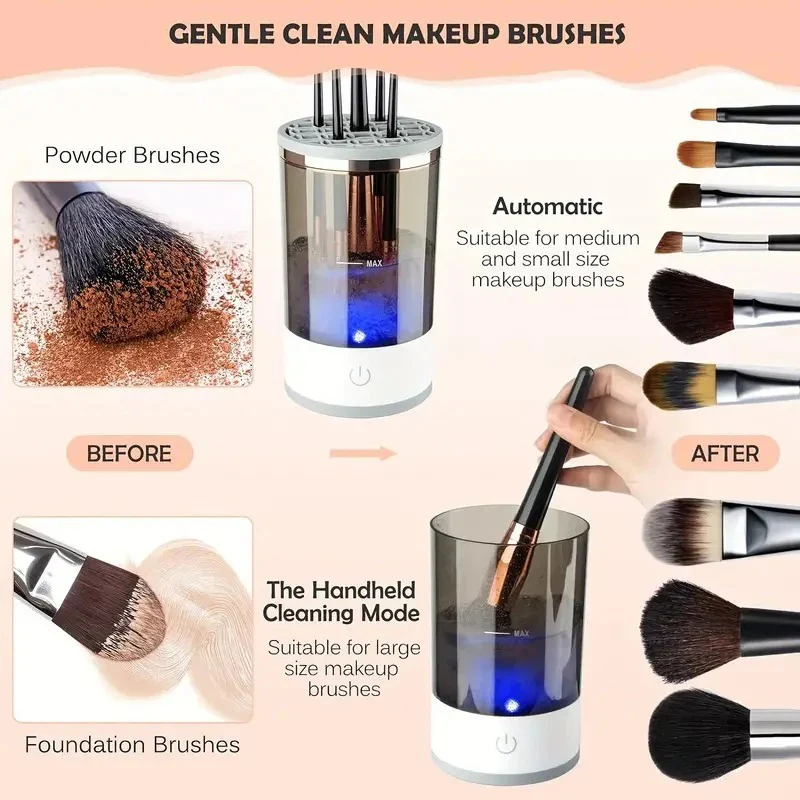
Electronic Cleaning Devices
Modern innovations spin and dry brushes within minutes, offering efficiency for professionals and enthusiasts alike.
Ingredients that Matter
Gentle Surfactants
Surfactants lift grime without stripping delicate bristles, balancing cleanliness with preservation.
Natural Oils and Conditioners
Infusions of coconut oil or argan oil restore suppleness and prevent brittleness.
What to Avoid in Formulations
Harsh alcohols, sulfates, and synthetic fragrances can weaken glue bonds and irritate skin.
DIY Makeup Brush Cleaners
Household Ingredients That Work
A mixture of gentle dish soap, olive oil, and warm water creates an effective homemade solution.
Pros and Cons of Homemade Solutions
Though cost-efficient, DIY options may lack the antimicrobial properties and precision of professional formulas.
How Often Should Brushes Be Cleaned?
Frequency for Daily-Use Brushes
Foundation and concealer brushes benefit from weekly cleaning, while powder tools can endure biweekly washes.
Special Considerations for Professionals
Artists working on multiple clients must sanitize brushes after each session to maintain hygiene standards.
Step-by-Step Cleaning Process
Preparing the Tools
Gather brushes, a cleanser, a textured cleaning mat, and a lint-free towel.
Washing Techniques for Various Brushes
Swirl bristles gently against a textured surface to dislodge product without tugging.
Drying Methods to Preserve Longevity
Lay brushes flat with bristles hanging off a counter edge to prevent water from seeping into the ferrule.
Common Mistakes to Avoid
Using Hot Water
Excessive heat damages both natural and synthetic bristles, leading to shedding.
Drying Brushes Upright
Moisture trapped in the ferrule weakens adhesive and encourages bacterial regrowth.
Over-Saturating the Ferrule
Soaking brushes compromises structure, causing premature deterioration.
Benefits of Regular Brush Cleaning
Improved Makeup Application
Clean bristles distribute pigments smoothly, preventing patchiness and streaks.
Prolonged Brush Lifespan
Routine cleansing safeguards investments, keeping bristles soft and intact.
Healthier Skin
Reduced bacterial transfer results in fewer blemishes and irritation.
Makeup Sponge Cleaners
Why Sponges Require Special Care
Sponges absorb more product than brushes, making them susceptible to deeper contamination.
Best Practices for Sponge Sanitation
Daily rinsing with gentle cleansers and weekly deep soaks extend their usability.
Travel-Friendly Brush Cleaning Options
On-the-Go Sprays
Compact sprays refresh brushes instantly, catering to hectic schedules.
Compact Cleaning Mats
Silicone mats fold into cosmetic pouches, simplifying brush care while traveling.
Professional vs. At-Home Cleaners
Salon-Grade Solutions
Professionals rely on concentrated formulas with disinfecting agents to guarantee client safety.
Budget-Friendly Home Alternatives
Affordable cleansers and DIY methods suffice for personal use, offering efficiency without extravagance.
Innovations in Brush Cleaning
Ultrasonic Devices
Using vibration technology, these devices expel dirt from deep within bristles with minimal effort.
Eco-Friendly Formulations
Brands are introducing biodegradable formulas that cleanse effectively while safeguarding the planet.
Cost Considerations
Affordable Everyday Products
Drugstore options deliver dependable results without straining finances.
Premium Investments Worth the Splurge
High-end cleaners promise enhanced conditioning, speed, and a luxurious cleansing ritual.
Eco-Friendly Practices
Sustainable Packaging
Refillable bottles and recyclable materials minimize environmental footprint.
Biodegradable Cleaning Solutions
Plant-based ingredients dissolve safely, reducing harm to waterways.
The Psychology of Clean Tools
Boosting Confidence
Using freshly cleaned brushes cultivates a sense of professionalism and self-care.
Enhancing Routine Satisfaction
A clean ritual transforms daily makeup into a serene, uplifting experience.
Expert Recommendations
Makeup Artist Tips
Artists advise alternating between quick cleansers and deep washes for optimal hygiene.
Dermatologist Insights
Specialists stress the link between clean tools and reduced skin conditions.
Frequently Asked Questions
Can Shampoo Replace a Brush Cleaner?
Yes, mild baby shampoo can suffice in emergencies, though it lacks antibacterial elements.
How Long Does Drying Typically Take?
Depending on bristle density, drying may range from four to twelve hours.
Are Disinfectants Necessary?
For professional use, disinfectants are vital. For personal use, thorough cleansing is often adequate.
Conclusion
The Path to Flawless Artistry
Mastering brush hygiene unlocks smoother applications and radiant results.
Clean Tools, Radiant Results
The journey from bristle to beauty thrives on discipline—because clean tools are the foundation of artistry.
